
The Benefits of Mini Split Air Conditioners
In the world of home heating and cooling solutions, mini split air conditioners stand out as a versatile and efficient option. These systems have gained popularity for their flexibility, energy efficiency, and ability to provide tailored comfort in various spaces. Whether you’re remodeling your home or simply looking for a way to stay cool during scorching summers, understanding the benefits of mini split air conditioners is essential. When exploring options, a mini split air conditioner provides comprehensive insights into how you can enhance your living environment.
Why Choose Mini Split Systems for Your Home?
Mini split systems offer several advantages over traditional HVAC systems, making them an attractive choice for homeowners. Here are a few reasons to consider:
- Ductless Design: Unlike central air conditioning systems that rely on ducts to distribute air, mini split systems are ductless, which allows for individual room control and eliminates the energy losses associated with ducts.
- Space-Saving: The compact design of mini splits means they can fit into tighter spaces, making them perfect for apartments or homes without existing ductwork.
- Installation Flexibility: Mini splits can be installed in various configurations, such as wall-mounted, ceiling-mounted, or floor-mounted, providing added flexibility in design and installation.
Energy Efficiency and Cost Savings
One of the standout features of mini split air conditioners is their energy efficiency. Many models come with high SEER (Seasonal Energy Efficiency Ratio) ratings, which can significantly reduce your monthly energy bills. The inverter technology used in these systems ensures that they can adjust their output based on current cooling needs, running less frequently and using less energy compared to traditional systems. This not only translates to cost savings but also reduces your carbon footprint, making it a more eco-friendly option for climate-conscious consumers.
Improved Air Quality and Comfort
Mini split air conditioners improve air quality by filtering allergens and pollutants, a critical feature for individuals with respiratory issues. Additionally, they maintain consistent temperatures throughout the living space, eliminating hot and cold spots that can be common in homes with dated HVAC systems. This leads to a more comfortable living environment and enhances overall well-being.
How Mini Split Air Conditioners Work
The Basics of Ductless Technology
The mechanism behind mini split systems is relatively straightforward. They comprise two main components: an outdoor unit, which contains the compressor and condenser, and one or more indoor units that handle air distribution. The outdoor unit circulates refrigerant to the indoor units, where it absorbs heat from the room and expels it outside, effectively cooling the space. This ductless technology allows for greater zoning capabilities, enabling homeowners to cool specific areas rather than the entire house.
Overview of Indoor and Outdoor Units
Each indoor unit of a mini split air conditioner is designed to work in tandem with the outdoor unit. The indoor units can vary in size and shape, providing flexibility in design and installation. Some common types include:
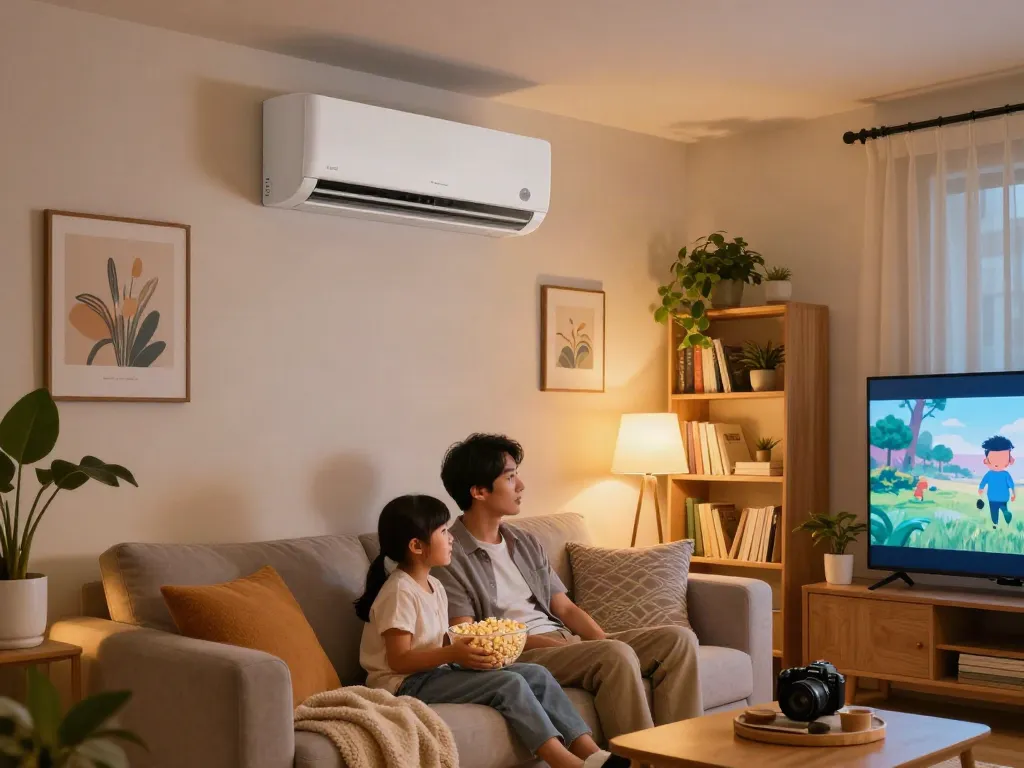
- Wall-Mounted Units: These are the most common and are mounted high on the wall, providing unobtrusive comfort.
- Ceiling Cassette Units: Ideal for larger spaces, these units sit flush against the ceiling and distribute air evenly.
- Floor-Mounted Units: These units are installed at low levels, which can be beneficial in spaces with high ceilings.
Installation Process Explained
Installing a mini split air conditioner is generally less invasive than traditional systems. An HVAC technician will connect the indoor and outdoor units using refrigerant lines and a power cable, which typically requires only a small hole in the wall. The installation process usually takes just a few hours, allowing homeowners to enjoy their new cooling system quickly.
Choosing the Right Mini Split Air Conditioner
Factors to Consider Before Purchase
When selecting a mini split air conditioner, several key factors must be assessed to ensure that you choose the best system for your home:
- Size and Capacity: The BTU (British Thermal Unit) rating determines how much space the unit can effectively cool. Be sure to calculate the required BTUs based on the size of the room and any additional heat gain factors.
- Efficiency Ratings: Look for units with high SEER ratings, as these will provide the best energy savings in the long run.
- Noise Levels: Mini splits are usually quieter than traditional systems, but it is essential to check the decibel ratings to ensure comfort levels.
Comparing BTU Capacities and Efficiency Ratings
Understanding the relationship between BTU capacities and efficiency ratings can help you make an informed decision. A smaller space may require a unit with 9,000 to 12,000 BTUs, while larger areas may need units ranging from 18,000 to 30,000 BTUs. Always consider the SEER rating alongside BTUs; higher efficiency units may have a slightly higher upfront cost but will pay for themselves through energy savings over time.
Understanding Installation Costs and Options
While mini split systems can be more affordable to install than traditional HVAC options, the total installation cost can vary. Factors such as the complexity of the installation, the number of indoor units, and additional wiring or ductwork needed can all impact the price. On average, homeowners can expect to pay between $2,000 and $5,000, depending on the specific needs of their home.
Common Misconceptions About Mini Split Systems
Addressing Concerns About Noise Levels
A frequent concern regarding mini split systems is noise. While some believe that the indoor units are too loud, many models operate at noise levels comparable to or quieter than a soft conversation. Current models feature improved technology that minimizes sound, making them suitable for bedrooms and quiet areas.
Debunking Myths About Aesthetic Appeal
Another misconception is that mini split systems are unattractive. However, modern designs are sleek and can blend seamlessly with home decor. Many indoor units come in various styles and finishes, allowing for a customization that complements any interior design.
Understanding Maintenance Requirements
Many homeowners believe mini splits require extensive maintenance. In reality, these systems are relatively easy to maintain. Regular cleaning of the filters and occasional professional servicing can ensure optimal performance, making them a low-maintenance option compared to traditional systems.
Future Trends in Mini Split Air Conditioning
Emerging Technologies and Innovations for 2026
As technology continues to evolve, mini split air conditioners are expected to incorporate more advanced features and smart home integration in the coming years. Innovations such as enhanced Wi-Fi connectivity, improved energy management systems, and AI-driven climate control are on the horizon, making these systems even more convenient and efficient.
Sustainability and Eco-Friendly Features
With an increasing focus on sustainability, manufacturers are developing mini split systems that utilize eco-friendly refrigerants and energy-efficient components. These advancements not only meet regulatory requirements but also cater to environmentally-conscious consumers looking for sustainable home solutions.
Predictions for Market Growth and Consumer Adoption
The mini split air conditioner market is projected to grow significantly over the next few years as more consumers recognize the benefits of ductless technology. Increased awareness regarding energy efficiency, coupled with the rising demand for customizable heating and cooling solutions, will likely drive this trend. By 2026, we can expect a larger variety of units available at competitive price points, making mini splits accessible to a broader audience.
What Are the Installation Costs for a Mini Split AC?
The installation costs for mini split AC systems can range widely depending on various factors, including the number of zones being cooled, the complexity of installation, and the specific location. On average, homeowners can anticipate spending between $2,000 and $5,000, which is often significantly lower than the costs associated with central air conditioning system installations.
How Efficient Are Mini Split Air Conditioners?
Mini split air conditioners are known for their efficiency, with many units boasting high SEER ratings which indicate superior energy performance. This makes them an excellent choice for homeowners looking to reduce energy consumption and save on utility bills.
Can Mini Split Systems Heat and Cool?
Yes, one of the major advantages of mini split systems is their dual functionality. Many models come equipped with heat pump technology, allowing them to provide both heating and cooling, effectively making them an year-round climate control solution.
What Maintenance Do Mini Split AC Units Require?
Routine maintenance is minimal for mini split air conditioners and usually involves cleaning or replacing filters every month or two, depending on usage. It's also advisable to schedule a professional inspection annually to ensure optimal performance and longevity.
How Do Mini Split AC Systems Compare to Central AC?
When comparing mini split systems to central AC, several factors come into play. Mini splits offer superior energy efficiency, reduced operating costs, and the flexibility of zoning, allowing for individualized temperature control in different areas of the home. On the other hand, central AC systems typically require more space for ductwork and may involve higher installation costs.